About Toronto Union Station Group Transfer
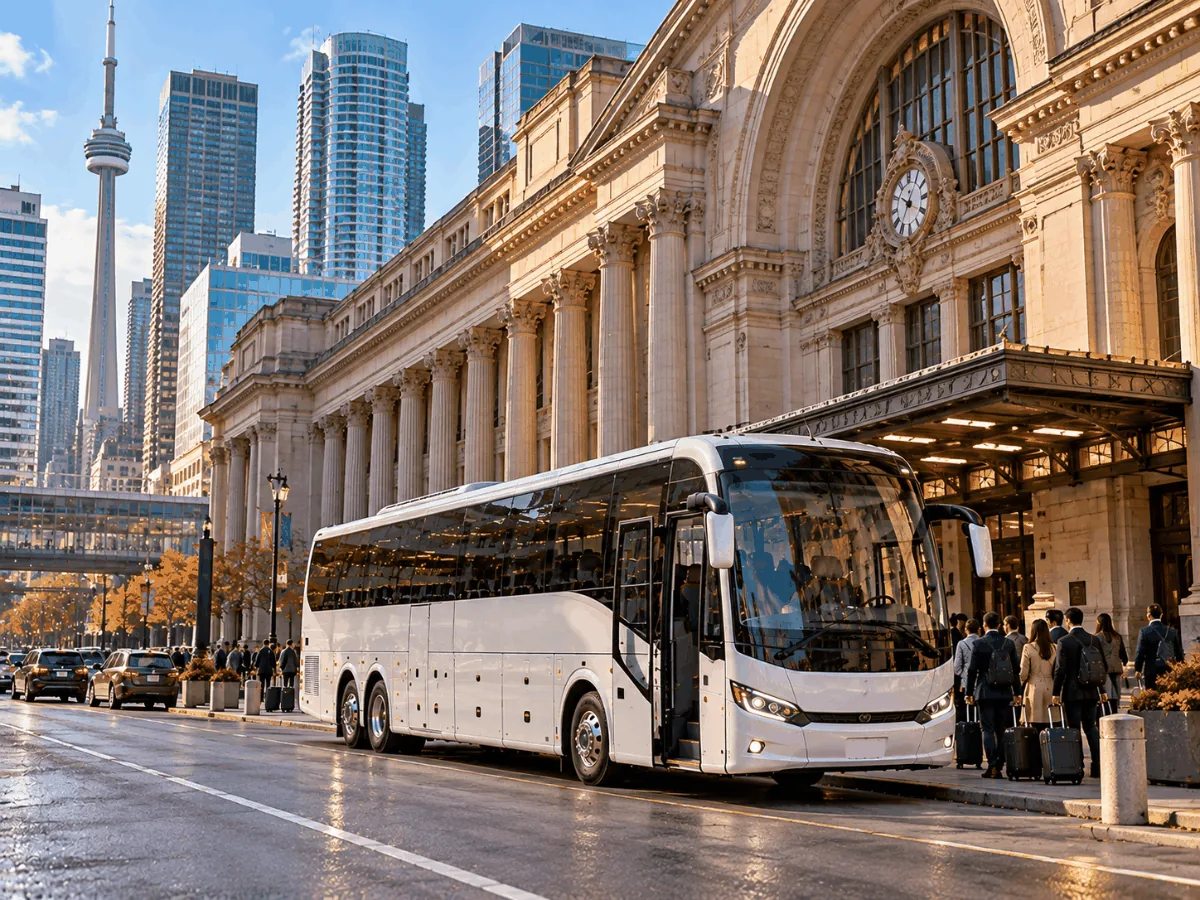
Toronto Union Station Group Transfer is designed for rail arrivals, hotel transfers, events and downtown connections. Private group transport can keep passengers and luggage together and reduce the coordination required when several taxis or rideshare vehicles would otherwise be needed. The best vehicle depends on the number of passengers, suitcases, sports equipment or other baggage.
Transfer planning should be based on the actual arrival or departure schedule. Toronto-area roads can be busy, and traffic conditions are affected by time of day, construction, weather and events. For a fixed flight or train, the itinerary should include practical contingency rather than assuming the fastest possible driving time.
Arrival planning
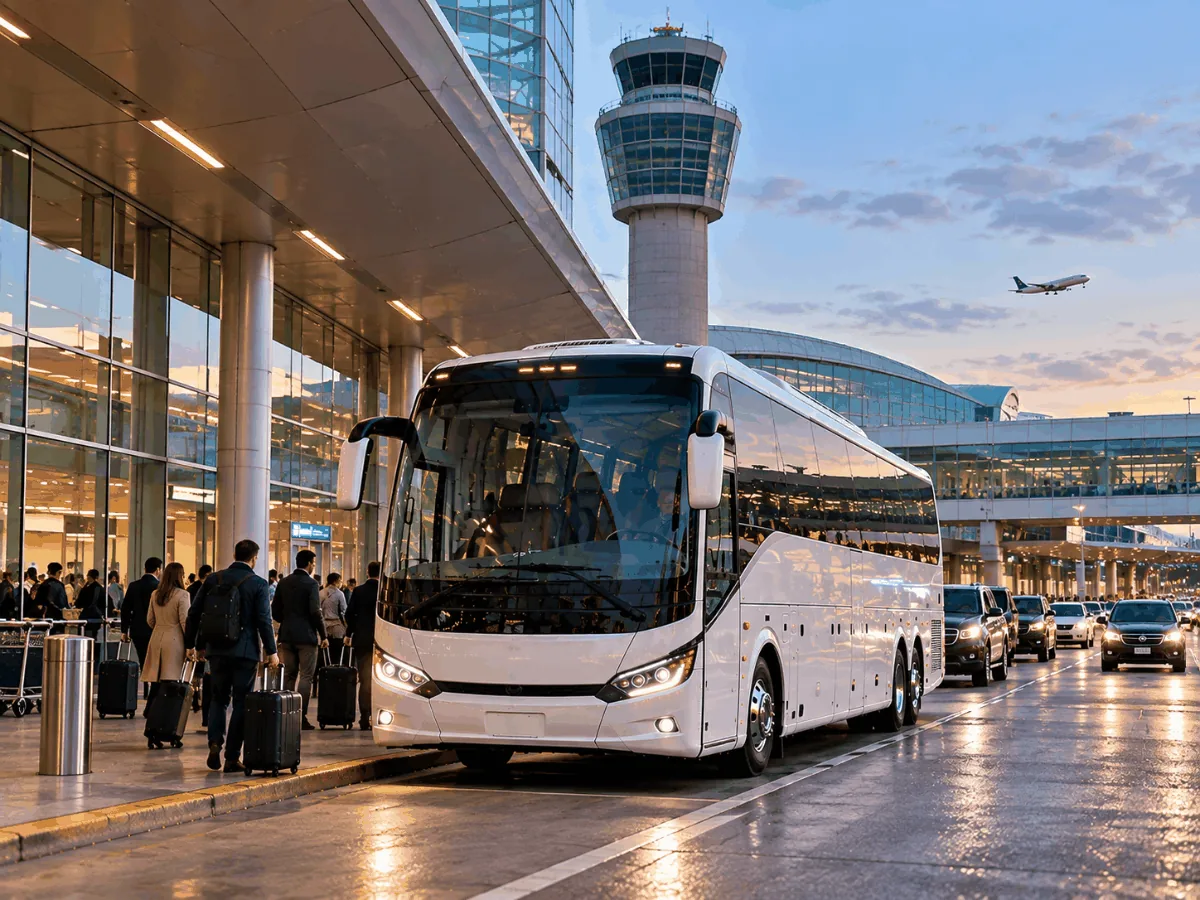
For arrivals, provide the service or flight number, scheduled arrival time and a lead passenger’s mobile number. International air passengers may take longer to clear formalities and collect bags. Rail groups should agree a meeting point that is easy for everyone to identify. If the group is arriving in separate waves, say so before the vehicle is allocated.
Hotels and event venues should be listed by full name and address. Toronto has many similarly named properties and multiple venue entrances, so precise information reduces confusion. Large groups should also identify whether luggage needs to be unloaded before passengers proceed to registration or another activity.
Departure planning
For outbound journeys, the organiser should state the required arrival time at the airport, station or terminal. The pickup time can then be planned around distance, likely traffic, loading time and group size. Early-morning and late-evening trips can be simpler, but no schedule should assume that roads will always be clear.
If there are multiple hotel pickups, provide the preferred order and passenger count at each stop. A schedule with several pickups may require additional time, especially when a full-size coach cannot wait directly outside every property.
Vehicle and luggage planning
Small airport parties may use a car or MPV, while larger groups typically require a minibus, mini coach or full-size coach. Luggage is often the deciding factor. A vehicle that technically has enough seats may not be the best match if every passenger has a large case.
Accessibility needs and essential vehicle features should be raised before payment. Do not assume that every bus has identical equipment. For school, sports or touring groups, mention bulky items so the supplier can assess storage appropriately.
Connecting onward from Toronto
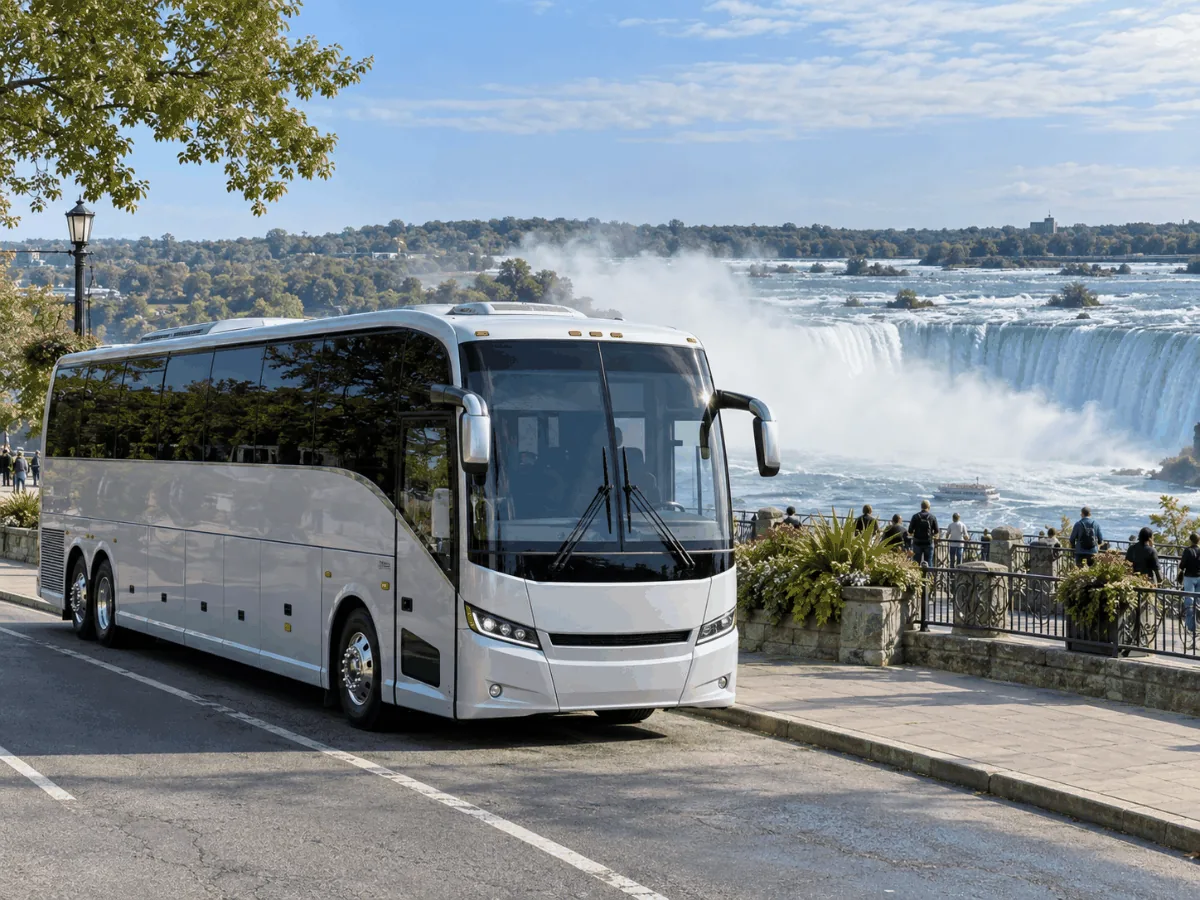
Toronto Union Station Group Transfer can be part of a wider journey into downtown Toronto, Mississauga, Brampton, Markham, Vaughan, Niagara Falls, Hamilton or other Ontario destinations. If the booking continues directly into sightseeing or a conference program, send the full itinerary so waiting and additional stops can be included correctly.
For multi-day work, include each day’s first pickup and final drop-off. This is especially important for Niagara, Ottawa, Montreal or resort itineraries where driver hours and overnight arrangements may matter.
Information that improves a quotation
A useful enquiry gives the pickup point, destination, date, requested pickup time, passenger count and whether the journey is one-way, return, disposal or multi-day. For airport journeys, add the flight number and an approximate luggage count. For conferences or events, add venue access times, hotel names and any staggered departures. If the group requires wheelchair access, child seating, extra luggage space, a microphone, specific charging facilities or another essential feature, request it before payment so availability can be checked rather than assumed.
For complex programs, one organiser should keep the master itinerary and passenger communication. Toronto traffic conditions can vary considerably by time, construction and major events, so hard deadlines such as flight check-in, conference registration, performance calls or sports start times should be clearly identified. A well-structured brief lets the transport team assess route duration, vehicle size and operating time more accurately and reduces avoidable changes later.