About Niagara Falls Coach Hire from Toronto
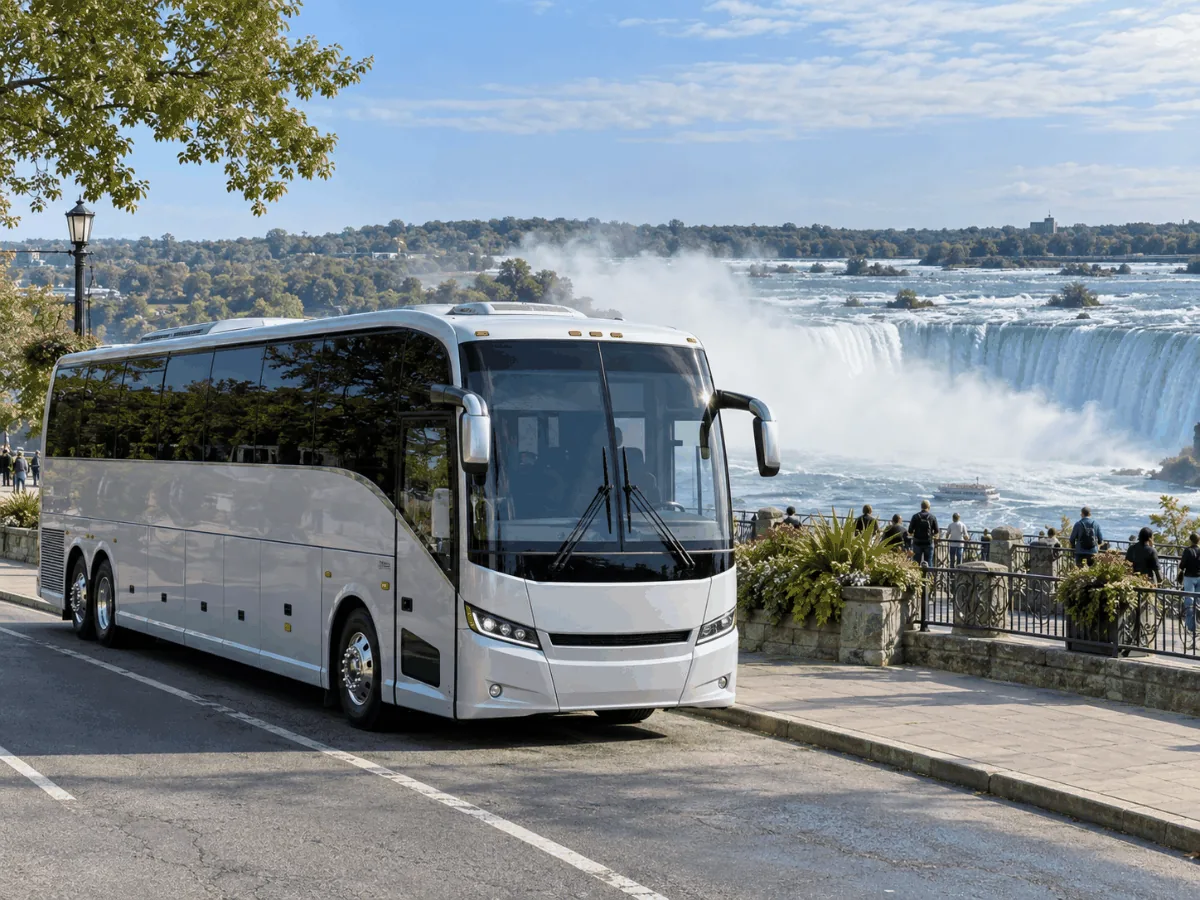
Niagara Falls transport can be arranged for private day trips and multi-stop Niagara itineraries. A private minibus or coach helps groups stay on one timetable and can link Toronto hotels, airports, stations and other stops into a single itinerary. The right plan depends on group size, luggage, event timing and whether the vehicle is required only for a transfer or for a longer period.
For visits involving Niagara Falls, the organiser should separate the sightseeing or event schedule from the transport schedule. The vehicle needs its own realistic pickup time, loading window and drop-off plan. This matters in busy downtown areas and at venues where coaches may use designated stopping or parking locations.
Planning transport for Niagara Falls
Start with the full date, passenger count, pickup location and required arrival time. If the visit is part of a larger day, list every major stop. Groups should avoid creating an itinerary that assumes zero traffic or instant boarding, especially when moving dozens of passengers.
For attractions, decide how long the group genuinely needs at the site. For sports and concerts, allow for security and crowd movement. For conventions, the target arrival time may be earlier than the first session. For regional day trips, driving time should be balanced with the amount of time spent at the destination.
Vehicle choices
Cars and MPVs can serve very small parties, while minibuses, mini coaches and full-size coaches cover larger groups. Multi-coach plans can be used for conferences, schools and major events. Luggage, accessibility requirements and equipment may move the booking into a larger category even when the passenger number appears to fit a smaller vehicle.
Exact vehicle specifications vary. If the group needs wheelchair access, charging, a microphone, extra luggage room or another essential feature, state it when requesting the quote. It is better to verify important features in advance than assume every coach is configured the same way.
Toronto hotels, airports and group logistics
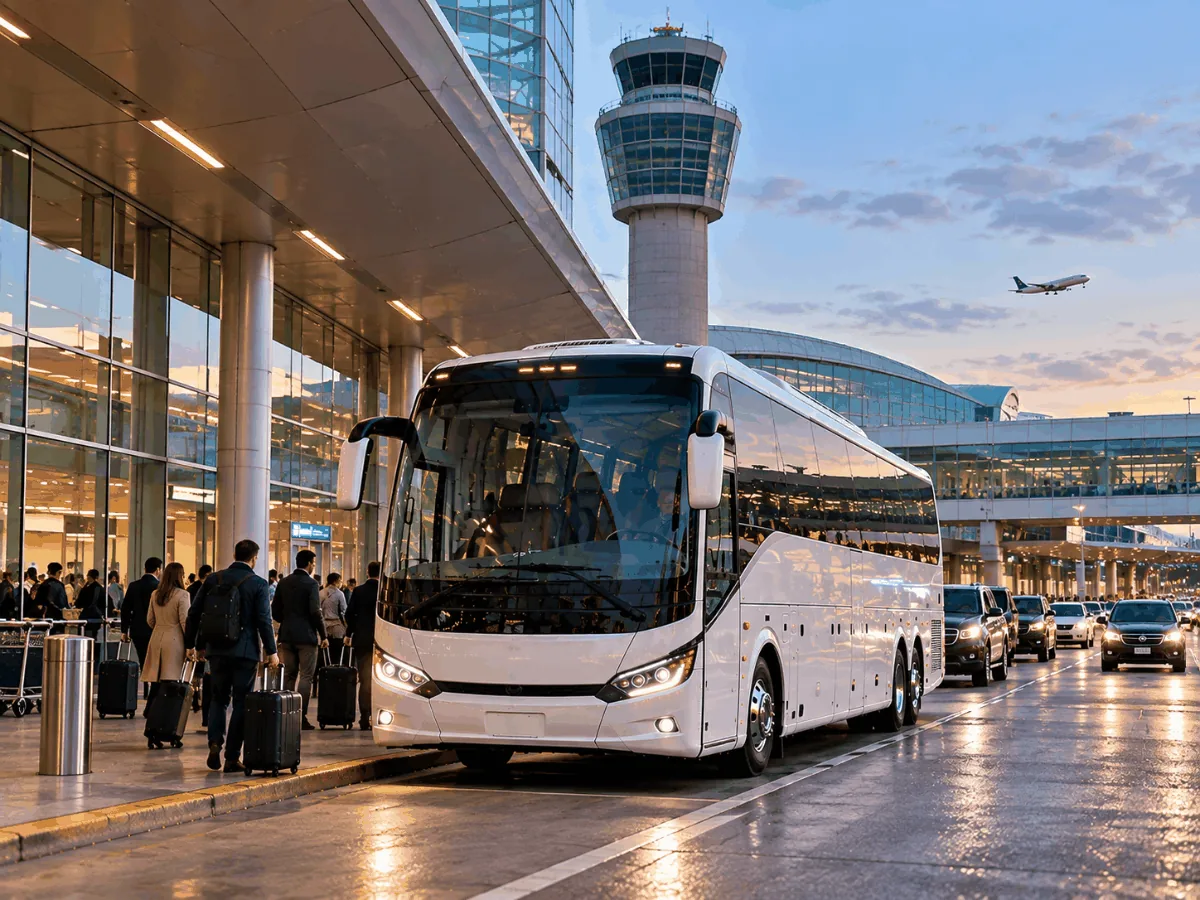
Many Niagara Falls bookings begin at Toronto Pearson International Airport, Billy Bishop Airport, Union Station or downtown hotels. Airport arrivals should include the flight number and luggage estimate. Hotel groups should nominate a lead contact and have passengers assembled before the scheduled departure time.
Corporate and conference groups often need several hotel shuttles or staggered departures. Weddings may involve a ceremony, reception and late return. Schools and tour groups may combine Niagara Falls with another attraction. A single master itinerary makes these movements easier to coordinate.
Regional connections
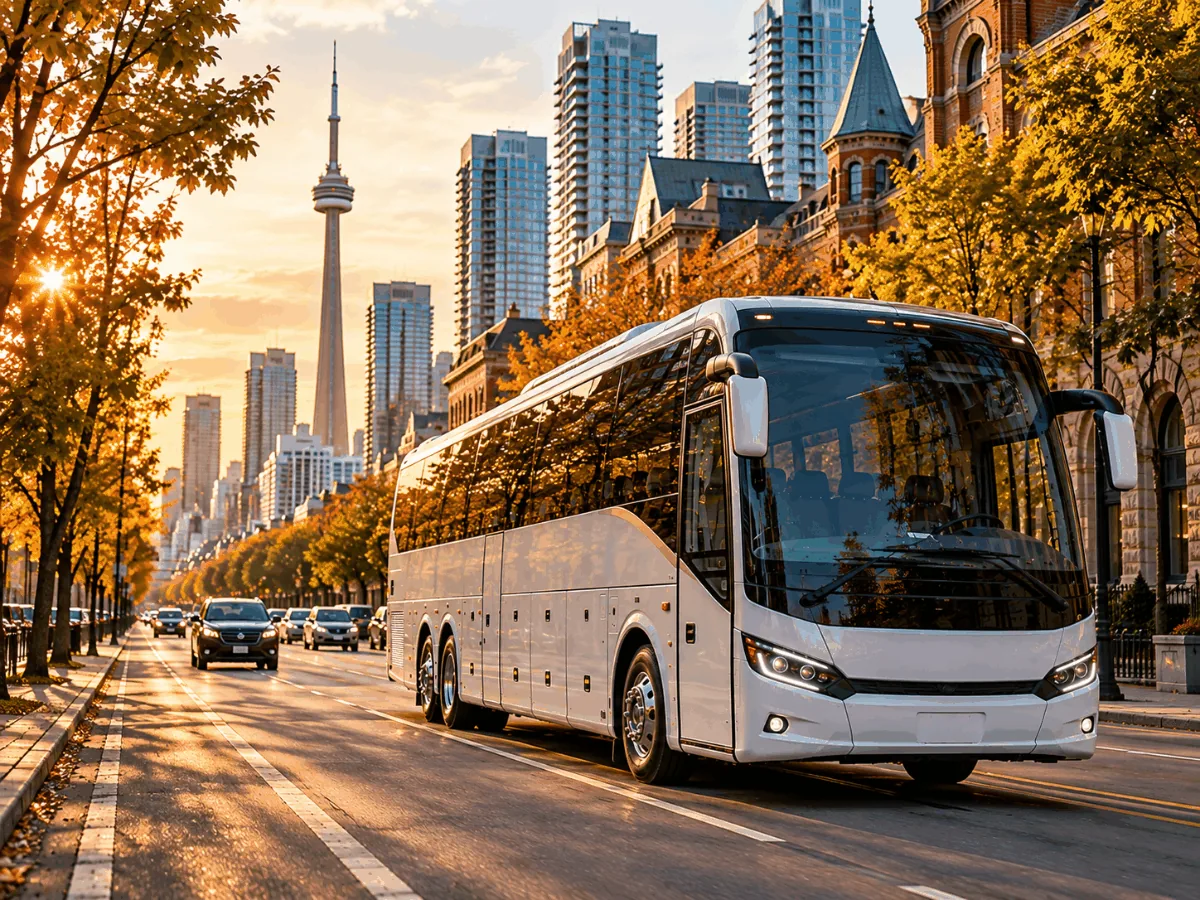
Toronto is a practical base for travel throughout the GTA and Ontario. Depending on the itinerary, Niagara Falls can be combined with Niagara Falls, Niagara-on-the-Lake, Hamilton, Muskoka, Blue Mountain, Prince Edward County, Ottawa or Montreal. Longer journeys should be priced from the full program because driving time, parking, tolls and driver-hours requirements can affect the operating plan.
Where the group is touring for several days, include hotel names and approximate daily start/finish times. This gives a better picture of the vehicle requirement than quoting each transfer separately.
Information that improves a quotation
A useful enquiry gives the pickup point, destination, date, requested pickup time, passenger count and whether the journey is one-way, return, disposal or multi-day. For airport journeys, add the flight number and an approximate luggage count. For conferences or events, add venue access times, hotel names and any staggered departures. If the group requires wheelchair access, child seating, extra luggage space, a microphone, specific charging facilities or another essential feature, request it before payment so availability can be checked rather than assumed.
For complex programs, one organiser should keep the master itinerary and passenger communication. Toronto traffic conditions can vary considerably by time, construction and major events, so hard deadlines such as flight check-in, conference registration, performance calls or sports start times should be clearly identified. A well-structured brief lets the transport team assess route duration, vehicle size and operating time more accurately and reduces avoidable changes later.